Industrial
Fastener Sourcing for Wind and Battery Storage: What Electrical OEMs Need to Know
Solar gets the headlines, but wind and battery storage are just as consequential for electrical equipment demand. Every wind turbine depends on nacelle electrical, tower base switchgear, converter cabinets, and grid interconnection hardware. Every battery storage system depends on BMS enclosures, DC combiners, inverter housings, and thermal management controls. Each of those products comes from an electrical equipment manufacturer facing the same sourcing pressures that make solar different from traditional industrial applications, plus additional pressures unique to each market.
For electrical OEMs supplying wind and battery storage programs, the sourcing decisions inside those assemblies matter as much as they do in solar. A converter cabinet failing at year 15 in a wind turbine 300 feet in the air means a crane mobilization and a full day of lost generation. A BMS enclosure failing in a battery storage container means offline capacity during the highest-margin dispatch hours. The fasteners holding those enclosures together are a rounding error on the assembly cost. When they fail, they aren't a component problem. They're a program problem.
This is a practical look at how wind and battery storage sourcing shapes electrical OEM fastener specifications, and where the pressures differ from solar. It's a companion to our analysis of fastener sourcing for the solar buildout.
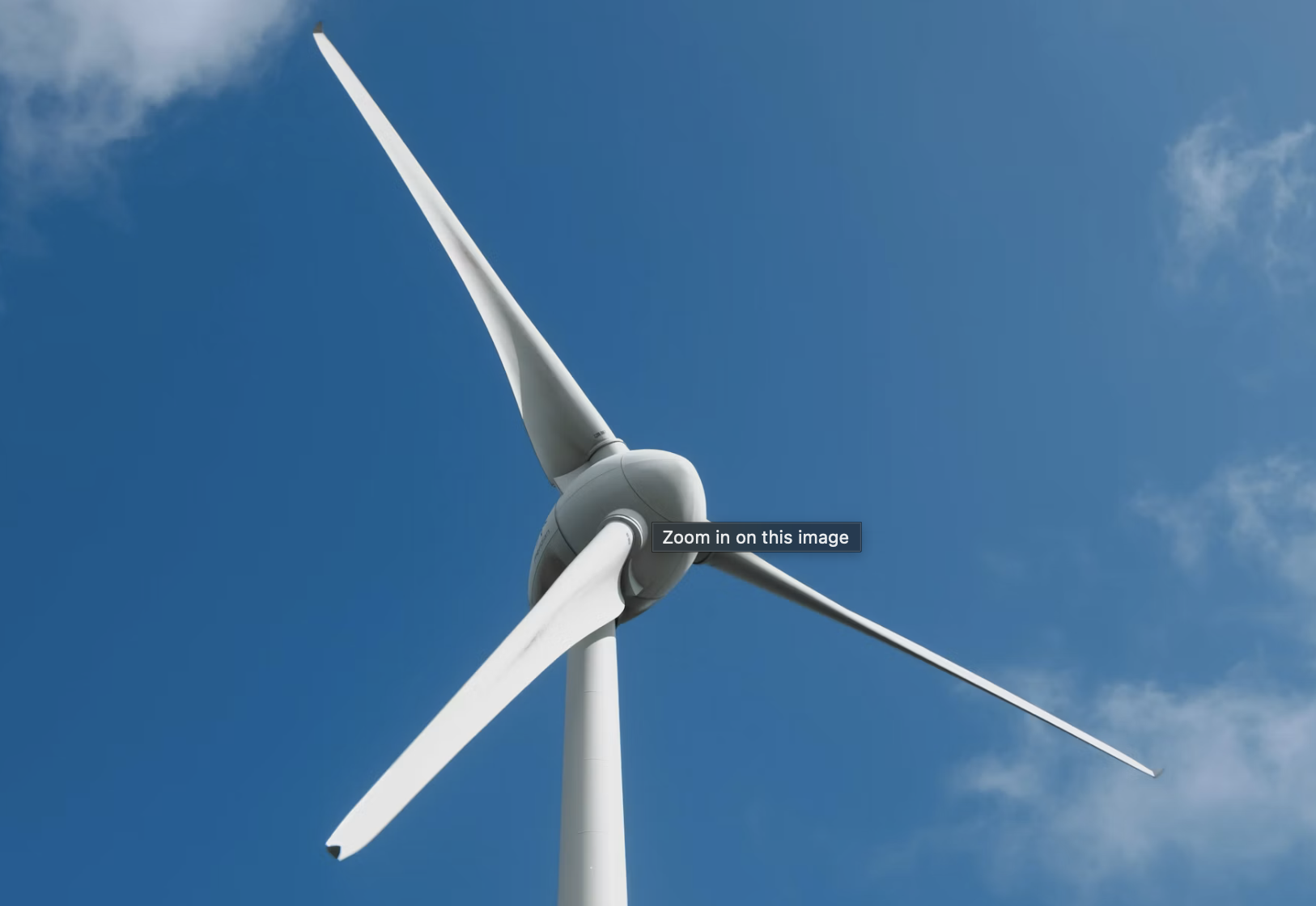
The Scale of the Wind and Battery Storage Markets
Both markets are large and accelerating. On the wind side, U.S. developers are forecast to add 11.8 GW of new capacity in 2026, more than double the additions of 2025, according to the U.S. Energy Information Administration. That includes 10 GW of onshore wind and 4.15 GW of offshore wind, with New Mexico, Texas, Illinois, and Wyoming accounting for approximately 60% of the total. Total installed U.S. wind capacity is expected to reach 170 GW by the end of 2026 and 179 GW by 2027, with FERC data suggesting up to 64.8 GW of additional wind capacity could come online between 2026 and 2028.
On the battery storage side, growth is even faster. The U.S. closed 2025 with 43.6 GW of operational battery storage. By June 2026, that had grown to nearly 52 GW. Developers plan to bring another 24.3 GW online in 2026 alone, a jump from the 15 GW record set in 2025. Utility-scale battery storage capacity has grown at an average annual rate of 70% over the last three years. Total operational storage capacity is expected to exceed 105 GW by the end of 2028, and the American Clean Power Association projects 200 GW / 655 GWh of cumulative installed storage by 2031, with 85% of that growth coming from utility-scale projects.
Combined, wind and battery storage will account for 42% of the record 86 GW of new U.S. generating capacity coming online in 2026. Solar leads at 51%. Together, these three renewable technologies represent 93% of new U.S. utility-scale capacity additions this year.
Electrical OEMs sit inside every one of those installations.
The Electrical Equipment Inside Wind Installations
Wind turbines are more than towers and blades. Each turbine is a self-contained electrical system with substantial equipment inside, all of it built by electrical OEMs.
- Nacelle electrical. Converters, transformers, control cabinets, and SCADA equipment mounted inside the nacelle at the top of the tower. Sealed enclosures rated for the vibration and temperature environment of rotating equipment.
- Tower base switchgear. Medium-voltage electrical gear at the tower base handling turbine output before it reaches the collection system.
- Pitch and yaw control electronics. The systems that orient blades to the wind and turn the nacelle into the wind. Both housed in dedicated electrical enclosures.
- Grid connection and substation gear. Wind farm collection systems, medium-voltage switchgear, and interconnection equipment.
- Farm-level SCADA and monitoring. Central control cabinets managing the entire wind farm.
- Emergency shutdown systems. Safety-critical enclosures for the equipment that stops the turbine during fault conditions.
Wind installations create demand for electrical equipment across the site, from equipment mounted at the top of a 100-meter tower to grid-interconnection cabinets at the substation. Each has its own sourcing profile, and each depends on the fasteners inside holding up for the design life of the turbine.
The Electrical Equipment Inside Battery Storage Systems
Utility-scale battery storage is one of the fastest-growing categories of electrical equipment manufacturing in North America. A single 100 MW / 400 MWh installation typically deploys dozens of battery containers, each dense with electrical equipment built by OEMs.
- Battery Management System (BMS) enclosures. Electronics that monitor and control battery module state of charge, temperature, and health. Every container needs a BMS enclosure.
- DC combiner and DC bus interfaces. Collect current from battery modules and route to the container-level inverter.
- Inverter and PCS enclosures. Power conversion systems that transform DC battery output to AC grid power. Container-level inverters are typically enclosed in outdoor-rated cabinets.
- HVAC control panels. Battery containers require active thermal management, and the control electronics for those HVAC systems are separate electrical enclosures.
- Fire suppression control panels. BESS installations include fire detection and suppression systems governed by codes like UL 9540, with control electronics housed in dedicated cabinets.
- Container-level monitoring and communication. SCADA and network cabinets at the container level.
- AC interconnection switchgear. Medium-voltage gear connecting battery output to the grid.
Approximately 48% of current U.S. battery storage capacity is co-located with solar arrays, meaning many BESS installations sit next to solar equipment made by many of the same electrical OEMs. The technical and sourcing conversations overlap significantly.
Why Wind and Battery Sourcing Is Different from Solar
Wind and battery storage share solar's four core sourcing pressures: 20-plus year field life, outdoor exposure, extended maintenance cycles, and compressed OEM delivery timelines. But each market adds pressures of its own.
Wind adds vibration and cyclic loading. Nacelle electrical equipment lives on top of a rotating machine. The tower moves in the wind, the drivetrain rotates through millions of cycles per year, and every fastener inside a nacelle enclosure sees dynamic loading that solar and industrial applications don't produce. Fasteners in these environments loosen without warning if the specification and installation don't account for vibration. Locking mechanisms, thread-locking coatings, and material choices matter more in wind than in almost any other electrical enclosure application.
Wind also adds altitude and remote-site accessibility. Repair costs for nacelle electrical are among the highest in the industry because reaching the equipment requires cranes, climbing crews, and turbine shutdown. Fasteners that would be minor issues in a ground-level installation become expensive problems in nacelles. Offshore wind installations add salt exposure to the mix, which pushes material selection toward 316 stainless or better at every accessible fastener.
Battery storage adds thermal management demands. Batteries generate heat during charge and discharge. Container internal temperatures cycle daily with dispatch patterns, and fasteners inside enclosures near battery modules experience thermal cycling more severe than typical outdoor equipment. Battery storage also involves fire safety codes (UL 9540, NFPA 855) that drive additional requirements for electrical enclosures, though specifics vary by jurisdiction and installation type.
Rapid deployment timelines also matter for battery storage. BESS projects have compressed the traditional utility procurement cycle. Time from contract award to commercial operation is often 12 to 18 months, less than half the typical utility timeline. Component sourcing that can't match that pace becomes a program-critical problem.
How These Pressures Shape Fastener Specifications
Each pressure translates into a specific fastener choice.
Vibration-resistant fasteners for wind nacelle applications. Standard fastener specifications become inadequate when vibration is a design factor. Thread-locking patches applied to threads, prevailing-torque nuts, wedge-locking washer systems, and controlled-friction coatings all contribute to maintaining preload under cyclic loading. Material selection also matters, with alloy steel and precipitation-hardened stainless (17-4 PH, A286) common in high-vibration wind equipment applications.
Thermal cycling resistance for battery storage enclosures. Coatings that hold their properties through wide temperature swings matter more in BESS than in most industrial applications. Xylan and other fluoropolymer systems tolerate temperature cycling better than standard electroplated coatings. For the coating decisions that matter most in outdoor and thermally-cycled applications, see our comparison of fastener coating options.
Material selection follows environment. Wind offshore installations require 316 stainless as a minimum for corrosion resistance. Onshore wind can often use 304 for accessible fasteners, though nacelle electrical often specifies higher grades due to combined vibration and thermal loading. Battery storage enclosures typically use 304 for exterior fasteners and can use standard grades for interior fasteners protected from the environment. For a deeper look at material selection across applications, see our complete guide to fastener materials.
Documentation supports long-life warranty claims. Both wind and battery storage installations carry 20-plus year performance expectations. Warranty investigations years after installation require documentation traceable to specific production lots and manufacturers.
Country-of-origin decisions carry program implications. The Inflation Reduction Act's domestic content bonus credits under Sections 45X and 48D apply to wind and battery storage as they do to solar. Electrical OEMs qualifying for these credits need supplier documentation demonstrating country of origin.
How ZOAG Serves Electrical OEMs in These Markets
ZOAG manufactures custom per-print fasteners for industrial OEMs, including manufacturers producing electrical equipment for wind, battery storage, and solar applications. Material and coating specifications are matched to the environment and duty cycle of the target application, including vibration-resistant options for wind nacelle equipment and thermal-cycling-resistant options for battery storage enclosures. Documentation accompanies every lot, including material certifications, dimensional reports, and country-of-origin records.
Standard lead time is approximately 120 days from quote approval. ZOAG's sourcing footprint is global, so production can be placed where the specification, schedule, and tariff position make the most sense.
If you are an electrical OEM supplying wind, battery storage, or other renewable energy applications and want to review a print, request a quote.
Frequently Asked Questions
What electrical equipment goes into utility-scale wind installations?
The category includes nacelle electrical (converters, control cabinets, SCADA), tower base switchgear, pitch and yaw control electronics, grid connection and substation gear, farm-level SCADA and monitoring cabinets, and emergency shutdown systems. Each is built by electrical equipment OEMs and installed at the wind site.
What electrical equipment goes into battery storage systems?
The category includes Battery Management System (BMS) enclosures, DC combiners and DC bus interfaces, inverter and power conversion system (PCS) enclosures, HVAC control panels, fire suppression control panels, container-level monitoring and communication cabinets, and AC interconnection switchgear.
How does vibration in wind nacelle equipment affect fastener specification?
Vibration and cyclic loading from rotating equipment can loosen fasteners over time if the specification doesn't account for it. Wind nacelle applications typically require thread-locking mechanisms (patches, prevailing-torque nuts, wedge-locking washers), controlled-friction coatings for preload consistency, and often higher-strength materials like alloy steel or precipitation-hardened stainless.
What fire safety considerations apply to battery storage electrical enclosures?
Fire safety codes for BESS installations include UL 9540 and NFPA 855, though specific requirements vary by jurisdiction and installation type. Electrical enclosures within battery storage systems may need to accommodate fire suppression system integration, thermal barrier requirements, and other safety measures that affect enclosure design and hardware selection.
Does the Inflation Reduction Act apply to wind and battery storage fastener sourcing?
Yes. The IRA's domestic content bonus credits under Sections 45X and 48D apply to wind and battery storage installations as they do to solar. Electrical OEMs pursuing these credits need supplier documentation demonstrating country of origin for U.S.-manufactured components.
Sources
- U.S. Energy Information Administration, Preliminary Monthly Electric Generator Inventory, February 2026
- U.S. Energy Information Administration, Short-Term Energy Outlook, 2026
- American Clean Power Association / Wood Mackenzie, U.S. Energy Storage Monitor Q1 2026
- Benchmark Mineral Intelligence, U.S. Energy Storage Outlook Q1 2026
- Federal Energy Regulatory Commission, Energy Infrastructure Update, 2026
- Inflation Reduction Act, Sections 45X and 48D, Advanced Manufacturing Production Credit and Investment Tax Credit provisions
- UL 9540, Standard for Energy Storage Systems and Equipment
- NFPA 855, Standard for the Installation of Stationary Energy Storage Systems