Industrial
Fastener Sourcing for the Solar Buildout: What Electrical OEMs Need to Know
The utility-scale solar buildout is usually described in terms of megawatts, modules, and racking. What gets missed is the electrical equipment supply chain feeding it. Every solar farm depends on combiner boxes, disconnects, monitoring cabinets, protection panels, and grid-tie hardware. Each product comes from an electrical equipment manufacturer. Each manufacturer is asked to deliver reliable equipment fast, on thin margins, and with a field life that matches a 20 to 25 year asset.
For electrical OEMs, the sourcing choices inside those assemblies matter more than they once did. A combiner box that fails in year 12 is not just a warranty claim. It can mean downtime for the developer, a truck roll for the O&M crew, and a wider check of every box the OEM shipped that year. The fastener that holds the enclosure shut is a small part of the cost. When it fails, it becomes a program problem, not a part problem.
This is a practical look at why the solar buildout puts unusual pressure on electrical OEM sourcing, and how that pressure shapes fastener specifications.
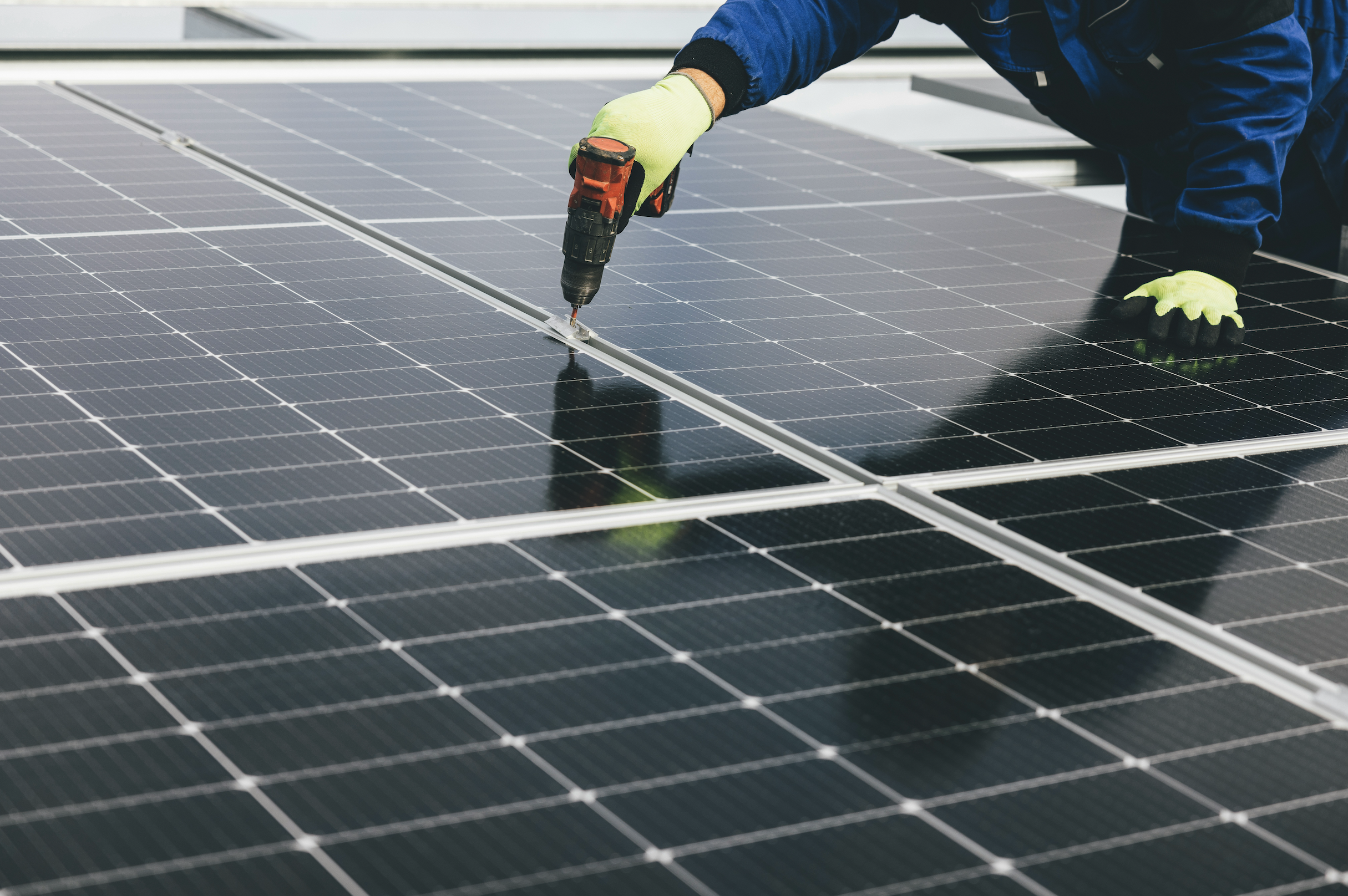
The Scale of the Solar Electrical Equipment Market
U.S. developers are forecast to add 43.4 GW of new utility-scale solar in 2026, a 60% jump from 2025, according to the U.S. Energy Information Administration. SEIA also projects 211 GW of utility-scale solar from 2026 through 2031. That is a long, steady pull on every product category feeding solar sites.
A 100 MW site can use hundreds of combiner boxes, dozens of medium-voltage disconnects, extensive SCADA and monitoring gear, and multiple protection relay assemblies. The racking gets most of the attention. The electrical equipment inside the site is just as complex.
Electrical OEMs sit in the middle of that buildout. When solar developers set a schedule, they commit EPCs. EPCs then commit equipment suppliers. When OEMs commit to those suppliers, their component sourcing has to hold up. Small parts hold up big schedules.
What Electrical OEMs Build for Solar
The main product categories going into utility-scale solar include:
- DC combiner boxes and re-combiner boxes. They collect string power and combine it into higher-current DC feeds. This is where DC combiner box hardware and combiner box fasteners have to hold up under heat, vibration, and weather. They are usually outdoor-rated, NEMA 3R or 4X, and mounted at ground level or on racking.
- DC disconnects and load-break switches. They give crews safe shutdown points for maintenance and safety. DC disconnect hardware is field-serviced and torque-critical.
- Inverter enclosures and mounting hardware. Central inverters can weigh thousands of pounds. String inverters are smaller but spread across the site. Inverter enclosure fasteners need to stay secure through direct sun exposure, wind loading, and daily thermal cycling.
- AC combiner and grid-tie panels. They collect inverter output and route it to the site substation. They work at higher voltage and face tighter safety rules.
- Monitoring and SCADA cabinets. They hold the electronics that track output, weather data, and control signals. The cabinets are usually sealed or climate-controlled, and the fasteners inside need to hold up to that environment for 20-plus years.
- Protection relay panels. They protect the electrical assets from faults and help with utility interconnection compliance.
- Junction boxes and cable management hardware. They sit across the site for cable transitions and routing. The part count is huge.
- Utility interconnection cabinets. They connect the solar farm to the grid. They are often the highest-voltage, highest-stakes cabinets on site.
Each product category has its own design rules, certification path, and fastener count. A single project can use hundreds of thousands of engineered fasteners across the electrical equipment installed. Across the U.S. solar buildout, that creates a strong and steady need for specialty fastener supply.
Why Solar-Adjacent Sourcing Is Different
Sourcing for solar is not the same as sourcing for a factory floor or an office building. Four forces make it different:
Twenty-five year field life. Solar assets are usually financed on 20 to 25 year PPAs. The model expects the equipment installed in year one to still be running in year twenty. Fasteners, coatings, and metals that work fine in a five or ten year cycle can fail long before the asset is paid off.
Outdoor exposure across many sites. Solar farms go where land is available, so the environment changes a lot. West Texas brings freezing nights, 110°F days, UV, and dust. Coastal Florida brings salt air, humidity, and hurricane loads. California sites can face wildfire smoke and drought. The equipment has to survive whatever the site delivers.
Extended maintenance cycles. Unlike gear checked every week, solar electrical equipment may sit untouched for months. Crews show up for scheduled O&M or after a fault. Fasteners and coatings that need frequent re-torque or inspection are not a good fit. The specification has to hold without intervention.
Compressed OEM timelines. Solar EPCs build to interconnection dates, PPA milestones, and finance draw schedules. When those schedules move up, the OEM delivery date moves up too. If component sourcing slips, the delay spreads through the EPC schedule and puts milestones at risk. In this market, source reliability often matters more than source cost.
How These Pressures Shape Fastener Specifications
Each pressure turns into a fastener choice.
Material selection follows exposure. For most outdoor solar-adjacent applications, 304 stainless outdoor fasteners are the floor. Coastal and marine sites need 316 stainless solar fasteners because of chloride exposure. Harsh cycling sites, such as hot deserts or wet coastal zones, may justify 17-4 PH stainless for both strength and corrosion resistance. Basic zinc-plated carbon steel rarely lasts through a 20-year outdoor cycle. For a deeper look, see our complete guide to fastener materials.
Coating selection follows field life. Standard zinc plating gives about 72 to 96 hours of salt spray protection, which is not enough for 20-year outdoor service. Zinc-nickel raises that to 240 to 1000+ hours and fits many enclosure jobs. For the longest field life, or for high-strength parts that cannot be electroplated, Xylan and Geomet coatings deliver 1000+ hours of salt spray resistance with lower hydrogen embrittlement risk. For a full comparison, see our comparison of fastener coating options.
Torque and friction matter. Solar equipment is opened, checked, and closed again by field crews using torque tools or pneumatic drivers. Torque-to-preload behavior must stay stable across the installed base so that standard torque values create the same clamp load. Controlled-friction coatings and a set coefficient of friction matter more here than in many industrial jobs.
Documentation supports long warranties. When a warranty issue shows up in year twelve, the OEM needs a source trail back to the lot, the maker, and the certifications. Full paperwork for each lot, such as material certifications, dimensional reports, coating checks, and country-of-origin data, makes the claim process workable. Missing paperwork from year one creates hard-to-fix problems in year twelve.
How ZOAG Serves Electrical OEMs in This Market
ZOAG manufactures custom per-print fasteners for industrial OEMs, including teams that build solar and other renewable energy equipment. Material and coating specifications are matched to the environment and duty cycle of long-life outdoor gear. Documentation accompanies every lot, including material certifications, dimensional reports, and country-of-origin records.
Standard lead time is approximately 120 days from quote approval. ZOAG's sourcing footprint is global, so production can be placed where the specification, schedule, and tariff position make the most sense.
If you are an electrical OEM supplying solar or renewable energy programs and want to review a print, request a quote.
Frequently Asked Questions
What kinds of electrical equipment go into utility-scale solar?
The category includes DC combiner boxes and re-combiner boxes, DC and AC disconnects, inverter enclosures and mounting hardware, monitoring and SCADA cabinets, protection relay panels, junction boxes, cable management hardware, and utility interconnection cabinets. Each one is built by electrical equipment OEMs and installed at the solar site.
Why do solar-adjacent applications need different fastener specifications?
Four forces make solar different: a 20 to 25 year field life tied to PPA financing, outdoor exposure across varied sites, long gaps between service visits, and OEM delivery schedules tied to EPC construction work. Those forces shape material grade, coating choice, torque control, and documentation.
Which stainless grades fit outdoor solar use?
304 stainless is the practical floor for most outdoor work. Use 316 stainless in coastal, marine, or chloride-rich sites because it resists pitting better. Use 17-4 PH when you need both more strength and corrosion resistance in harsh cycling, such as hot desert sites or coastal humidity.
How do 20-year warranty expectations affect fastener specifications?
When warranty issues emerge years after installation, the OEM needs a source trail back to specific production lots and specific manufacturers. That means material certifications, dimensional reports, coating checks, and country-of-origin paperwork need to be ready at the time of manufacture. Missing paperwork from year one creates hard-to-fix problems in year twelve.
Sources
- U.S. Energy Information Administration, Short-Term Energy Outlook, 2026
- Solar Energy Industries Association (SEIA), Solar Market Insight Report Q2 2026
- Inflation Reduction Act, Sections 45X and 48D, Advanced Manufacturing Production Credit and Investment Tax Credit provisions
- ISO 12944, Paints and Varnishes: Corrosion Protection of Steel Structures
- ASTM F593, Standard Specification for Stainless Steel Bolts, Hex Cap Screws, and Studs
- ASTM B841, Standard Specification for Electrodeposited Zinc-Nickel Alloy Coatings